
Ferragamo Leather Bucket Bag Ferragamo Hug Bag
The Evolution of Ferragamo Bag Design Through the Generations
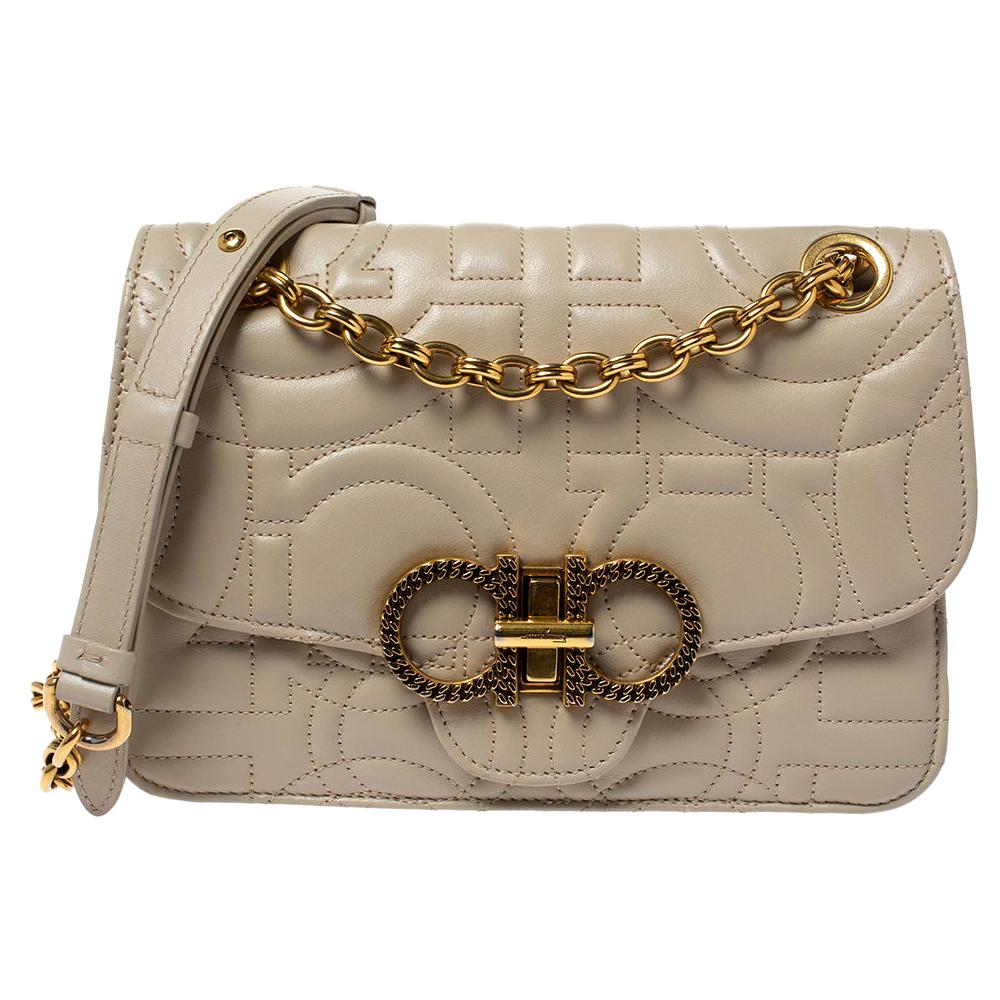
Ferragamo constructed his reputation on shoes well before handbags joined the lineup, but the maison’s philosophy behind bag design preserves the same obsessions that built his reputation: anatomy, balance, and construction that honors how a person genuinely navigates through a day. Following the evolution of the Ferragamo bag means tracing shifts in how women labored, moved about, and presented themselves across almost a hundred years. It isn’t just a timeline of shapes and hardware; rather, it goes deeper. It chronicles how a Florentine workshop adapted to changing lives while staying true to its own craft standards. Whoever browses a Ferragamo store today is looking at the accumulated result of generations of modest, purposeful changes rather than dramatic reimaginings.
What makes this evolution worthy of examination is the self-control behind it. A great many high-end labels run hard after fleeting fashion cycles, introducing and discontinuing silhouettes within just a couple of seasons. Ferragamo bags have historically moved slower, prioritizing structural polish above newness. This restraint is evident in designs still cited by design teams today, decades on from their debut. It also accounts for why vintage-era Salvatore Ferragamo bags continue to be collectible rather than passé.
1940s to 1960s: The Formative Beginnings
In 1927, Salvatore Ferragamo established his Florence atelier; yet it was in the following decades that handbags grew into a substantial piece of the business, rooted in the same leather expertise honed on footwear.
Early Ferragamo bags of the 1940s and 1950s were https://ferragamobag.com/ tidy, firm-shaped, and organized around a one prominent handle or fastening, mirroring the post-war era’s preference for utility over decorative flourish.
Frame bags featuring rigid metal closures were often seen, paralleling the formal attire shapes that defined the period.
Come the 1950s, the label had built a name among European and American clients who expected craftsmanship that matched footwear of couture caliber. Sourcing of hides was at that point a point of pride, with vegetable-tanned leathers sourced by way of tanneries in Tuscany that Ferragamo maintained close relationships with. This is a detail that still matters: a great many of today’s Salvatore Ferragamo bags trace their leather sourcing philosophy to these very regional supply networks.
As fashion relaxed its grip on strict tailoring, that decade ushered in softer forms.
Alongside the structured frame bags, relaxed, hobo-style shapes began emerging, flagging the earliest genuine style divide in the catalog.
This period sowed the seeds of a dual design language — structured against soft — that the label has circled back to repeatedly ever since.
The 1970s and 1980s: Emblem Fittings paired with Confident Identity
The decade of the 1970s steered Ferragamo’s bag designs toward more assertive label signaling. Rather than incidental touches, the Gancini clasp, gold-tone fittings, and exposed metal hardware became defining design elements. The Gancini clasp itself—a horseshoe-shaped fitting inspired by Florence’s architectural ironwork, which Ferragamo admired—debuted on footwear before making its way onto bags, and it remains one of the most recognizable hardware details in the ferragamo bags range today.
Bag proportions expanded through the 1980s, as fashion embraced maximalism. Featuring prominent Gancini clasps, structured totes and boxy top-handles emerged as a status symbol across Milan, Rome, and New York alike. The idea of the Ferragamo bag as a recognizable object rather than a purely functional accessory was locked in throughout this period — a piece identifiable from across a room by its hardware outline alone.
It’s worth noting that this era also expanded the brand’s international retail footprint significantly, with boutiques opening across the US and Asia. That expansion meant bag design had to satisfy a wider range of climates, dress codes, and carrying habits, which nudged the house toward more versatile sizing than the rigid, single-purpose bags of the 1950s.
The Nineties and 2000s era: Clean Design Meets Practicality
With the 1990s came a pronounced style reset. As minimalist tailoring dominated the runways, bag design followed suit. Cleaner lines, sleeker leathers, and more restrained hardware were the house’s answer to the moment, yet the Gancini emblem persisted, merely softening into something smaller and more discreet across numerous designs.
The 2000s saw the introduction of more overtly structured top-handle bags aimed at a professional, jet-setting clientele. This is arguably when the modern template for what shoppers now search as “best ferragamo bags” started taking shape: mid-size, structured, with a clear hardware signature and enough versatility to move between office and evening use. Craftsmanship details like hand-stitched edges and reinforced base panels became standard rather than exceptional.
The range of leathers also broadened meaningfully over this stretch of time. Entering rotation all at once were textured Saffiano-style leathers, sleek calfskin, and suede variants—every one giving that one shape another guise according to its surface treatment. That adaptability is part of why select silhouettes born in the 2000s have remained relevant enough to still appear, in updated form, in current collections.
The 2010s: How the It-Bag Strategy Emerged
The 2010s stood as Ferragamo’s most calculated foray toward the “it-bag phenomenon” that maisons like Chanel and Céline had previously established as commercially powerful. Signature bag lines refreshed each season became standard practice, providing regular clientele with an annual incentive to return to the Ferragamo shop instead of treating a handbag as a single, standalone investment.
This decade also saw color develop into a more powerful design tool. Whereas earlier decades relied mostly on black, cognac, and neutral tones, Ferragamo’s bags of the 2010s brought in saturated seasonal colorways — reds, cobalt blues, and pastels — frequently matched to the identical structured shapes that had defined earlier decades. The Gancini clasp was reintroduced in bolder, more sculptural forms, sometimes enlarged to become the visual centerpiece of the bag rather than a subtle detail.
Collaboration with contemporary creative direction also sharpened the brand’s runway-to-retail pipeline. Mirroring broader industry pressure to reduce the gap between design and commercial availability, runway-shown pieces reached stores faster than before.
2020s Into 2026: Structure, Sustainable Practice, and the Revival of the Archive
Heading into 2026, Ferragamo’s bag design language sits at an interesting intersection: archive revival meets contemporary material responsibility. Several current lines borrow silhouette cues directly from 1950s and 1970s frame bags, reissued with updated proportions suited to how people actually carry belongings now — phones, cards, minimal daily essentials rather than bulky wallets and compacts.
Sourcing of materials has equally emerged as a stated priority, alongside expanded use of traceable leather and clearer supply chain communication versus earlier decades. Even though it isn’t a wholesale reinvention of manufacturing, this does reflect a wider industry expectation: luxury buyers in 2026 want greater clarity about where their salvatore ferragamo bags truly originate.
Across new releases, the Gancini remains a steady thread, taking the form of matte, polished, and oversized variations depending on the line. This consistency is strategic: it gives new customers an easy visual entry point into the brand’s identity while giving longtime buyers something recognizable across otherwise very different bag shapes.
A Quick Look at Design Eras Compared
| Decade | Primary Silhouette | Defining Feature | Typical Use Case |
|---|---|---|---|
| 1940s–1950s | Framed, structured bags | Rigid metal clasp | Formal daywear |
| 1960s | Relaxed hobo silhouettes | Understated fittings | Easygoing daily carry |
| 1970s–1980s | Square-cut totes and top-handle bags | Prominent Gancini fastening | Signaling social standing |
| 1990s–2000s | Refined structured silhouettes | Subtle hardware | Professional versatility |
| 2010s | Branded it-bag ranges | Oversized, sculptural Gancini clasp | Standout seasonal items |
| 2020s–2026 | Archive-driven relaunches | Sourced-traceable leather and diverse Gancini treatments | Pared-down everyday use |
What This Background Means for Current Buyers
Understanding this progression helps explain why a Ferragamo bags overview rarely fits into a single style category. The catalog covers structured heritage shapes, minimalist 2000s carryovers, and bold 2010s statement pieces, often simultaneously available. That range stands as a direct result of decades of layered design decisions instead of a single unified aesthetic imposed top-down.
For shoppers weighing choices, it’s useful to think in terms of decade-driven personality instead of merely chasing what’s trending now. The house’s earliest formal work is echoed in a structured frame bag. The bold 2010s statement era comes through in a bag carrying an oversized Gancini. A cleaner, low-hardware tote reflects the 1990s minimalist correction. Recognizing these lineages makes it easier to identify which era’s design philosophy actually suits daily habits.
In the end, whether someone is hunting for the finest Ferragamo bags fit for the workplace or putting side by side the best Ferragamo bags for nighttime events, the choice is enriched by this historical context. A brand doesn’t sustain near a century of cultural standing purely through hardware. It achieves this by constantly rebalancing the tension between rigidity and relaxed wear — the very balancing act Salvatore Ferragamo began when he first turned his attention from shoes to bags, and a balance the house still hones with each new collection put out under the Ferragamo name even now.