
Learning how to play roulette for beginners starts with the table layout
If you are stepping up to a roulette wheel for the first time, the fastest way to feel comfortable is to slow the game down and read the layout before you place a chip. The version you will see most often in Australia is European roulette, which runs on a single zero and keeps the house edge lower than the American double-zero wheel. That difference matters more than any betting system, and it is the first thing worth noticing before you commit your bankroll.
The board, the wheel and what you are actually betting on

Roulette is a game of independent spins, and the table exists to organise the dozens of ways you can put money on those outcomes. The cloth layout mirrors the wheel’s pockets, with numbers from zero to thirty-six arranged in three columns and twelve rows. Outside that numbered grid sit the even-money options: red or black, odd or even, and the first, second or third dozen. Each of those areas pays differently, and the payout always sits below the true odds of hitting the result, which is where the casino’s long-term advantage lives.
On a European wheel, the single zero adds a house edge of about 2.7 per cent on most standard bets. On an American wheel, the extra double zero lifts that figure closer to 5.3 per cent, and the same bet on the same number pays exactly the same. That is why a careful player in Geelong who has watched both formats at local hotel tables and on overseas screens usually prefers the single-zero layout when it is available. The wheel itself is a separate piece of equipment from the table, with pockets around the rim that catch the ball; the dealer spins the wheel in one direction and the ball in the other, and the result is settled when the ball drops into a pocket and stays there. Turklive
Betting is split into inside and outside groups, and the distinction is mostly about frequency versus payout. Inside bets sit on individual numbers or small clusters, paying thirty-five to one for a straight-up hit or lower odds for splits, streets and corners. Outside bets cover larger groups and pay even money or thirty-two to one for the dozens, which makes them steadier but slower. The rule most beginners miss is that every spin is independent, so a colour or dozen that has not appeared for twenty rounds is not due to show up next. The wheel has no memory, and any pattern you see on a scoreboard is hindsight, not a signal.
How to place your first bets without overcomplicating the session
The practical way to start is to treat the table like a menu, not a puzzle, and pick one or two bets you understand well enough to explain to someone else. A beginner who spreads chips across six different areas on the first spin is usually hiding uncertainty behind activity, and that habit tends to burn through a session faster than a single clear plan. The better approach is to pick a bet type, learn its payout, and watch how the dealer clears and pays the table before you put your own money in.
- Read the table minimum and maximum before you sit down, because those limits set the size of the bets you can make and the size of the bankroll you will need to stay comfortable for a session.
- Choose one outside bet, such as red or black, and one inside bet, such as a straight number or a small split, so you can see how different payouts behave without juggling too many options at once.
- Place your chips clearly in the area you want, keep your hand away once the dealer announces no more bets, and wait for the marker to land before you touch any winning chips.
- Take the payout exactly as the table pays it, note that the amount you receive does not reset the odds on the next spin, and decide in advance whether you are changing your stake or keeping it steady.
- Step away if the session is no longer enjoyable or your predetermined limit is reached, because roulette rewards patience more than persistence and a tired player makes rushed decisions.
That sequence is deliberately boring, and that is the point. A game built on anticipation does not need a player to add more anticipation on top of it. The people who last longest at roulette are usually the ones who treat the wheel as a paid form of entertainment with a known cost, rather than a problem to be solved. When you compare that mindset with what you see in the UK, where single-zero tables are common in high street venues and players are used to clear table limits and printed house-edge information, the Australian hotel and club environment can feel less uniform. Some local rooms run European wheels, some run American wheels, and the signage is not always as direct as it tends to be in European markets where regulators push for clearer odds disclosure.
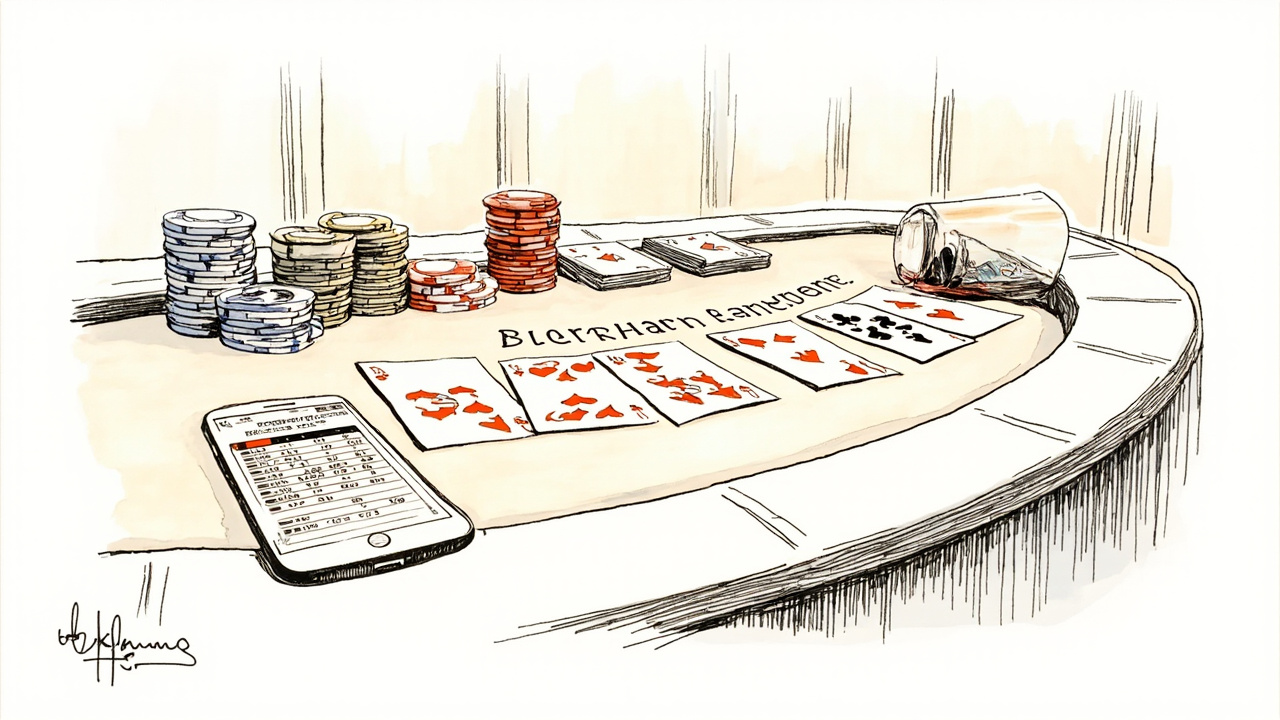
The same contrast shows up online, where a player in New South Wales might sit down at a European table operated under a licensed overseas jurisdiction while a player in the United States is often looking at a double-zero layout by default. Neither setup changes the mathematics, but the expectation around the wheel does change, and a beginner who knows which wheel they are playing on is already ahead of one who is just watching the ball. Harrison Clarke, Independent iGaming Expert, Southern Star Esports, has put it plainly in commentary on table games: “The wheel does not care about your session plan, and the clearest advantage a new player can give themselves is knowing which zero is on the wheel and what that means for the same bet.”
Who this game suits, and who should treat it differently
Roulette tends to suit a player who enjoys a visible, unhurried game and is comfortable with outcomes that swing session to session without any skill element changing the odds. If you like a table where the pace is set by the dealer, the bets are easy to recognise, and the result is decided by a physical or simulated wheel rather than by a hand of cards, the game can fit that preference well. It is less comfortable for someone who wants a game where decisions actively shift the house edge, because roulette bets are fixed and the only real choice is how much risk you take on each spin.
The format can also suit a player who wants to keep a session short and simple, using outside bets to stretch play time and inside bets sparingly for the occasional higher payout. That mix is not a strategy in the sense of changing the odds, but it is a way to shape the experience so it stays readable. Archie Taylor, Gaming Technology Consultant, Laneway Interactive Media, has noted in separate discussion that table games are easiest to enjoy when the player knows what they are paying for: “A roulette table is not a workshop, and the people who enjoy it most are usually the ones who treat the payout table as a price list rather than a ladder.”
For a player who prefers faster action or wants decisions that matter more directly, other table games or a different format entirely may suit better. That is not a flaw in roulette, just a mismatch of expectations. Jack Campbell, Independent iGaming Expert, Australian Gaming Futures, has observed that player fit matters as much as the game itself: “The same wheel can feel relaxed to one person and frustrating to another, and the difference is often whether the player came in expecting a game of chance or a game they could outthink.”
If you want to rehearse the layout and the rhythm of the spins before you put money on the table, a free play demo such as the 15 dragon pearls free play demo can give you a low-pressure way to watch how chips are placed and paid without turning the session into a budget exercise. It is not a substitute for the real game, because free play removes the part that matters most to your own discipline, but it can help a beginner recognise the table faster when they do sit down for real.
Payment methods, registration details, loyalty points, mobile layout and support are all separate parts of any operator you choose, and they deserve their own check before you commit. If you are comparing how Australian players usually move money into and out of online casino accounts, a related piece on Способы оплати в онлайн-казино для игроків з Австралії can be a useful starting point for the practical side of setting up an account. Treat that as a separate checklist from the game itself, because the wheel and the cashier are not the same decision. 15 dragon pearls free play demo
The main thing to remember is that roulette is straightforward to learn and hard to outsmart. Learn the wheel you are playing on, pick your bets deliberately, and keep your session size tied to a limit you are comfortable with before the game starts. That is not a dramatic formula, but it is the part that actually holds up.