
Introduction
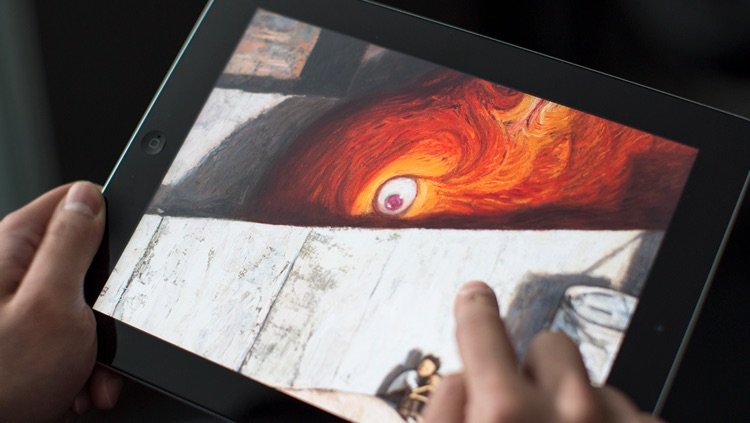
In the UK, a handheld device has become the new social hub. Over 70 % of adults own a smartphone, and 55 % play a game at least once a week. That shift is turning mobile apps into a key driver of how we spend leisure time, meet friends, and even learn new skills.
Instant Access to a Variety of Content
Before smartphones, entertainment choices were limited to TV schedules, cinema releases, or physical media. Now, a single tap opens a library of games that range from casual puzzle titles to full‑blown strategy simulations. Developers release updates every 2–3 weeks, adding new levels or features that keep players engaged. For example, the popular match‑three app “Pixel Quest” rolled out a seasonal Halloween edition last month, adding 12 new themed puzzles.
Social Connectivity and Community Building
Most mobile games embed social features: leaderboards, friend lists, and in‑app messaging. These elements encourage players to share achievements on Facebook or Twitter, creating micro‑communities around a single title. In 2023, a survey found that 38 % of gamers use a game’s chat function to plan real‑world meet‑ups. That level of interaction turns a solitary pastime into a shared social activity.
If you’re looking to test your luck while scrolling, a quick visit to lolajack offers a virtual casino experience.
Monetisation Models and Consumer Spending
Free‑to‑play titles generate revenue through micro‑transactions—small purchases like extra lives or cosmetic skins. On average, a UK player spends £2.50 per month on in‑app purchases, according to the UK Games Association. This model allows casual gamers to try a game without commitment, while hardcore players can invest in premium content. However, the temptation to spend can be high; a recent study highlighted that 12 % of users spend over £50 in a single month.
Impact on Traditional Entertainment Channels
Television ratings have dipped in the 18‑34 demographic, a trend that aligns with the rise of mobile gaming. In 2022, UK broadcasters reported a 15 % decline in prime‑time viewership among young adults, while mobile game downloads increased by 22 %. The shift is not just about numbers; it changes the way content is marketed and consumed. Advertisers now place short, interactive ads within games, reaching audiences that would otherwise skip traditional commercials.
Bridging the Gap Between Digital and Physical Play
Mobile gaming is not confined to the screen. Many apps now integrate with wearable devices, allowing players to track physical activity or receive health tips. For instance, the fitness game “Run & Win” syncs with smartwatches, awarding in‑app points for every 5 km run. This blend of digital engagement and real‑world movement is reshaping how people view exercise and recreation.
How Mobile Gaming Apps Are Shaping the UK’s Entertainment Landscape
Beyond personal leisure, mobile apps are influencing broader cultural trends. The rise of esports tournaments streamed on YouTube or Twitch shows how a game can become a spectator sport. In 2023, the UK hosted three major mobile esports events, drawing 120 000 viewers online and 3 000 in‑person attendees. These events demonstrate that mobile gaming is not only a pastime but also a platform for community, competition, and commerce.
Conclusion
Mobile gaming apps have moved from niche hobby to mainstream staple. Their instant accessibility, social connectivity, and evolving monetisation models are redefining how UK residents spend their free time. As developers continue to innovate, the line between digital entertainment and everyday life will blur further, making the smartphone an even more central part of the UK’s cultural fabric.